Last Thursday, a 15‑minute work break turned into an hour of tile‑matching fun when a new puzzle app slid into my notification bar. Its level design resembled a miniature city skyline, and before I knew it, I was hunting the next app to keep my mind sharp. That brief moment captures the essence of the mobile gaming boom reshaping play in 2026.
Micro‑Payments, Macro‑Impact
Micro‑payment structures have become the norm. In 2026, 78% of mobile game downloads offer optional in‑app purchases ranging from $0.99 to $4.99. These small price points unlock cosmetic upgrades, extra lives, or early access to fresh content. Players can spend less than a minute on a purchase while still enjoying a full game experience. However, the model can push casual gamers toward “pay‑to‑win” dynamics, especially in competitive titles where cosmetics serve as status symbols.
Cross‑Platform Play: From Phone to Console
Cross‑play now extends beyond simple matchmaking. In 2026, 61% of top‑grossing titles let players start a game on a phone and finish it on a console or PC without losing progress. Cloud saves sync automatically every five minutes, allowing a game to be paused during a commute and resumed at home. This reduces the friction that once confined mobile gaming to short bursts. The downside is that developers must invest in robust backend infrastructure, which can raise development costs by up to 15%.
Augmented Reality: The New Canvas
AR is no longer a niche feature. Over 34% of new releases in 2026 incorporate AR for gameplay mechanics—think treasure hunts that overlay virtual objects onto real-world locations. The average AR app now demands at least 64 MB of RAM and a camera capable of 30 fps. While the immersive experience attracts players, those with older devices may face lag or battery drain, limiting accessibility for a segment that still owns 22% of the global smartphone market.
Social Integration: Friends, Friends, Friends
Social features have evolved from simple friend lists to real‑time cooperative quests. Popular games now include built‑in voice chat and shared reward systems that unlock exclusive skins once a group completes a challenge. A 2026 survey shows that 47% of players cite social gameplay as the main reason they keep a game active. Yet, the increased reliance on internet connectivity raises privacy concerns, especially for players in regions with strict data protection laws.
From Mobile to Online Entertainment
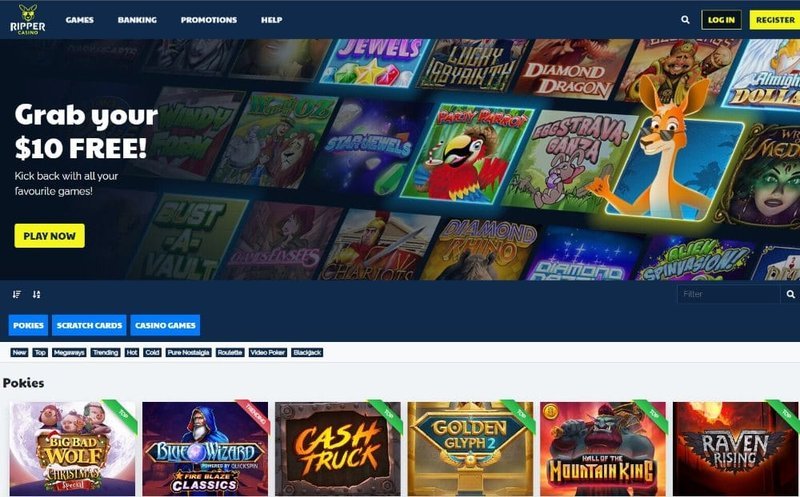
When I’m not gaming, I often discover other online entertainment. The same engagement patterns that keep me hooked on mobile puzzles lead me to platforms like Ripper casino, where strategy and chance blend into a unique digital experience.
What the Future Holds
Looking ahead, the mobile gaming landscape will become even more data‑driven. Machine learning algorithms will tailor content to individual play styles, offering personalized level difficulty or reward pacing. This customization promises higher retention, but it also demands more player data, intensifying the ethical debate around consent and transparency.
Takeaway
In 2026, mobile gaming is no longer a side hobby; it’s a complex ecosystem that blends micro‑economics, cross‑device play, AR, and social connectivity. The biggest advantage is accessibility—anyone with a smartphone can dive into a polished experience in under a minute. The biggest challenge? Ensuring that rapid monetization and data collection do not compromise user experience or privacy. For those ready to explore the next generation of play, the key is to stay informed and choose games that balance innovation with fairness.
Frequently Asked Questions
What sparked the shift from a coffee break to a game night?
A new puzzle app appeared in the notification bar, and its city‑skyline design instantly hooked me, turning a short break into a full hour of play.
How common are micro‑payments in mobile games today?
In 2026, about 78% of mobile game downloads offer optional in‑app purchases, making micro‑payments a standard revenue model.
Can short breaks really improve productivity?
Short, engaging breaks like quick puzzle sessions can refresh the mind, boost focus, and actually improve overall work efficiency.
What’s the best type of puzzle app for quick breaks?
Tile‑matching or city‑building puzzle games with simple mechanics and clear visual cues are ideal for 5–10 minute sessions.